HOME / SERVICE AREA /
LOCAL TREE CARE
When Is the Perfect Time to Schedule Tree Trimming?
Check out Our Recent Blogs
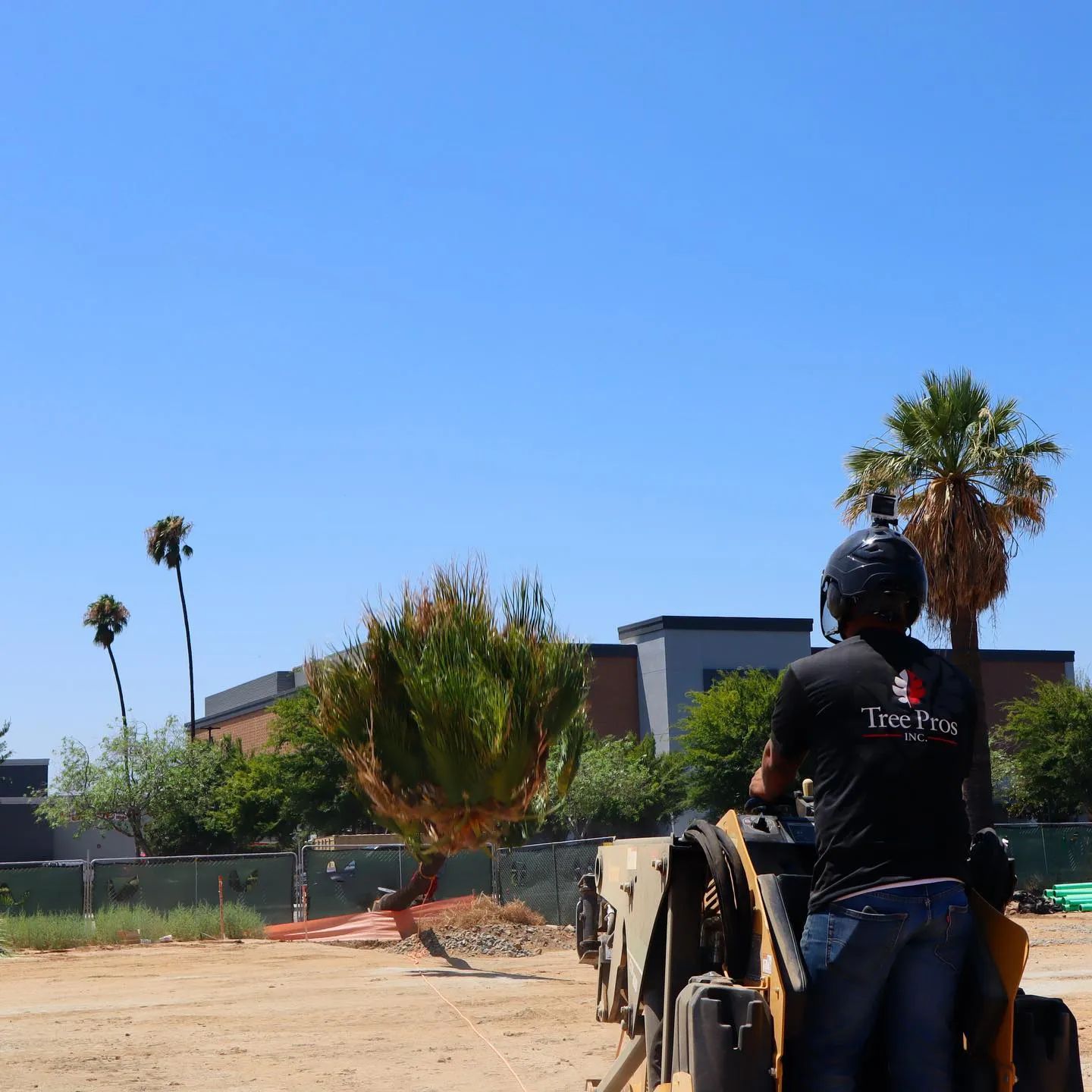
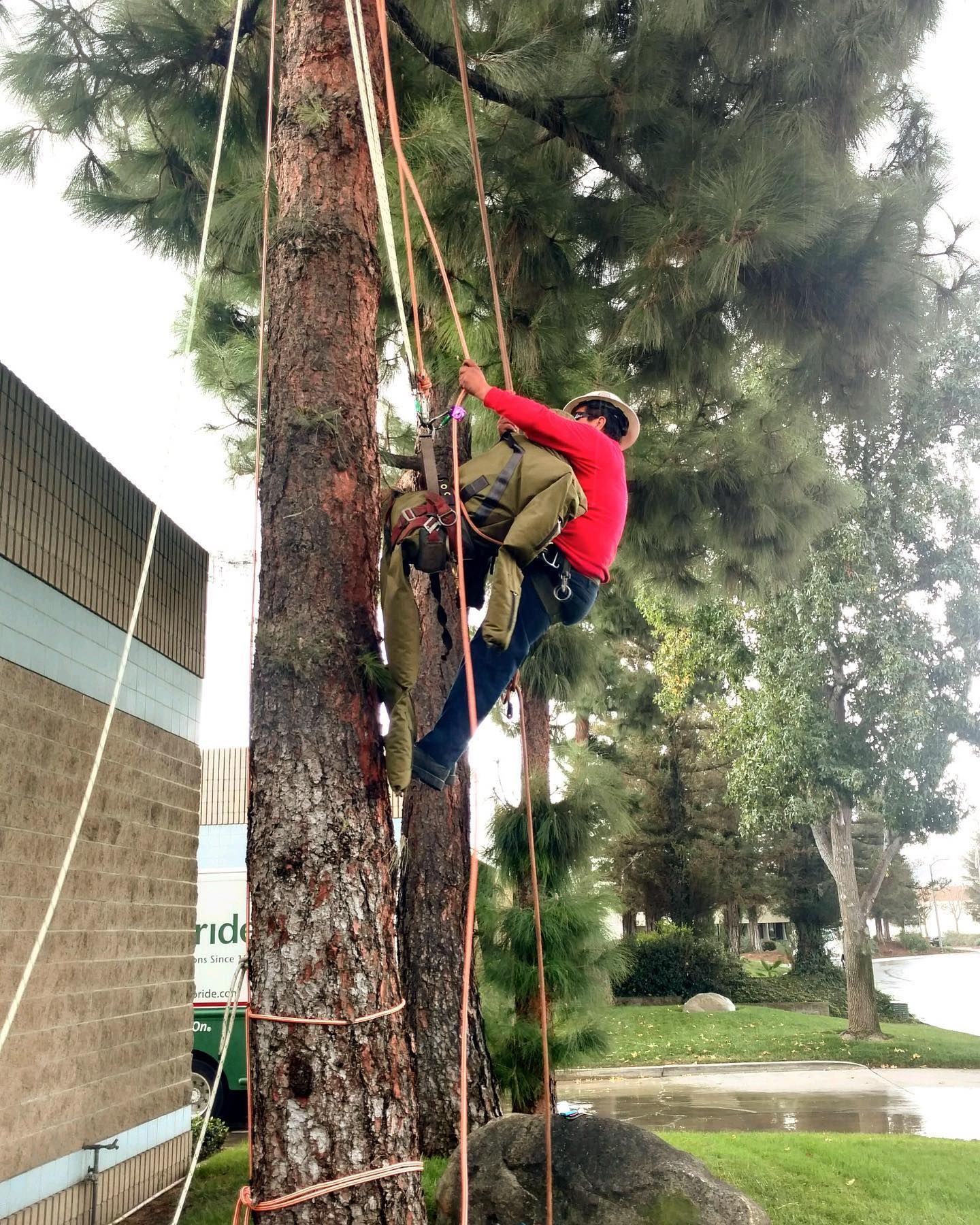
Plant healthcare professionals are leading the way in designing and implementing water-wise landscapes that reduce irrigation needs. Techniques such as drought-tolerant plants, efficient irrigation systems, and rainwater harvesting are used. This way, landscapes remain beautiful and sustainable, even in areas with less water.
4. Implementing Water-wise Landscaping
Bees, butterflies, and other pollinating friends are essential in our ecosystems. Professionals are building gardens that welcome these creatures. Planting a mix of flowers that bloom at different times of the year ensures that pollinators have a consistent food source. Avoiding pesticides and providing natural habitats can make our gardens safe havens for pollinators.
6. Supporting Pollinators in Our Gardens
9. Light Management: Mimicking Natural Rhythms
Especially vital for indoor plants, understanding a plant's light needs is crucial. Too much can scorch them, while too little can lead to weak growth. If natural light is insufficient, consider LED grow lights that can be tailored to a plant's specific needs.
Professionals use technology to help them do more efficient landscaping. From sophisticated irrigation controllers that adjust watering based on weather conditions to drones that monitor plant health from above, plant healthcare professionals are leveraging technology to make landscape management more efficient and effective.
Plant healthcare professionals are most important in landscape management. Through their dedication to sustainable practices, they are enhancing the beauty and health of landscapes and contributing to the planet's well-being. They show how it is possible to create outdoor spaces that are both stunning and sustainable.
7. Using Technology
Some firewood delivery services offer sustainably sourced wood for eco-conscious customers. This means the wood comes from forests that are replanted and managed responsibly. You can enjoy your fire by choosing a sustainable option, knowing you're not harming the environment.
Sustainable Firewood Options
The best delivery services go beyond just dropping off wood. Some companies offer friendly and knowledgeable staff who can answer your questions about firewood types, burning techniques, or fireplace maintenance. This personalized touch can make a big difference in your firewood buying experience.
Delivery with a Personal Touch
Assess the Situation
Water scarcity is a constant concern in Southern California. Smart irrigation systems use a combination of sensors, weather data, and historical water usage patterns to create an irrigation plan that delivers the precise amount of water each plant needs. This not only conserves water but also prevents plants from suffering from water stress, which can weaken them and make them more susceptible to disease.
These advanced technologies are just the beginning of a revolution in
plant healthcare. As research and development continue, we can expect even more innovative solutions to emerge, such as gene editing for disease resistance and robots for targeted weed removal. By embracing these advancements, Southern California's farmers can ensure the health of their crops, optimize resource use, and contribute to a more sustainable agricultural future, feeding a growing population while protecting the environment for generations to come.
5. Biological Pest Control: A Sustainable Approach
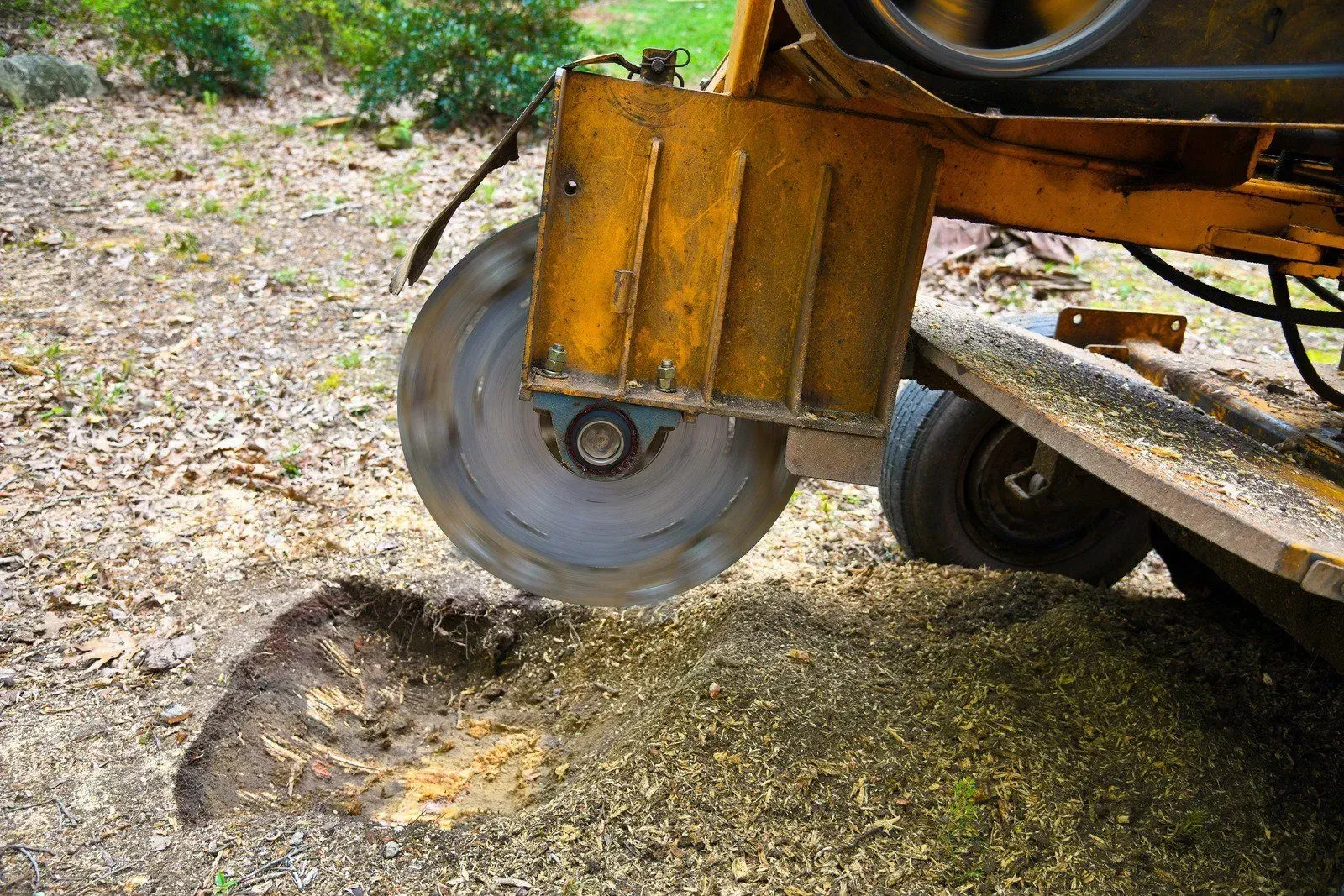
Comparison Between Stump Grinding And Stump Removal
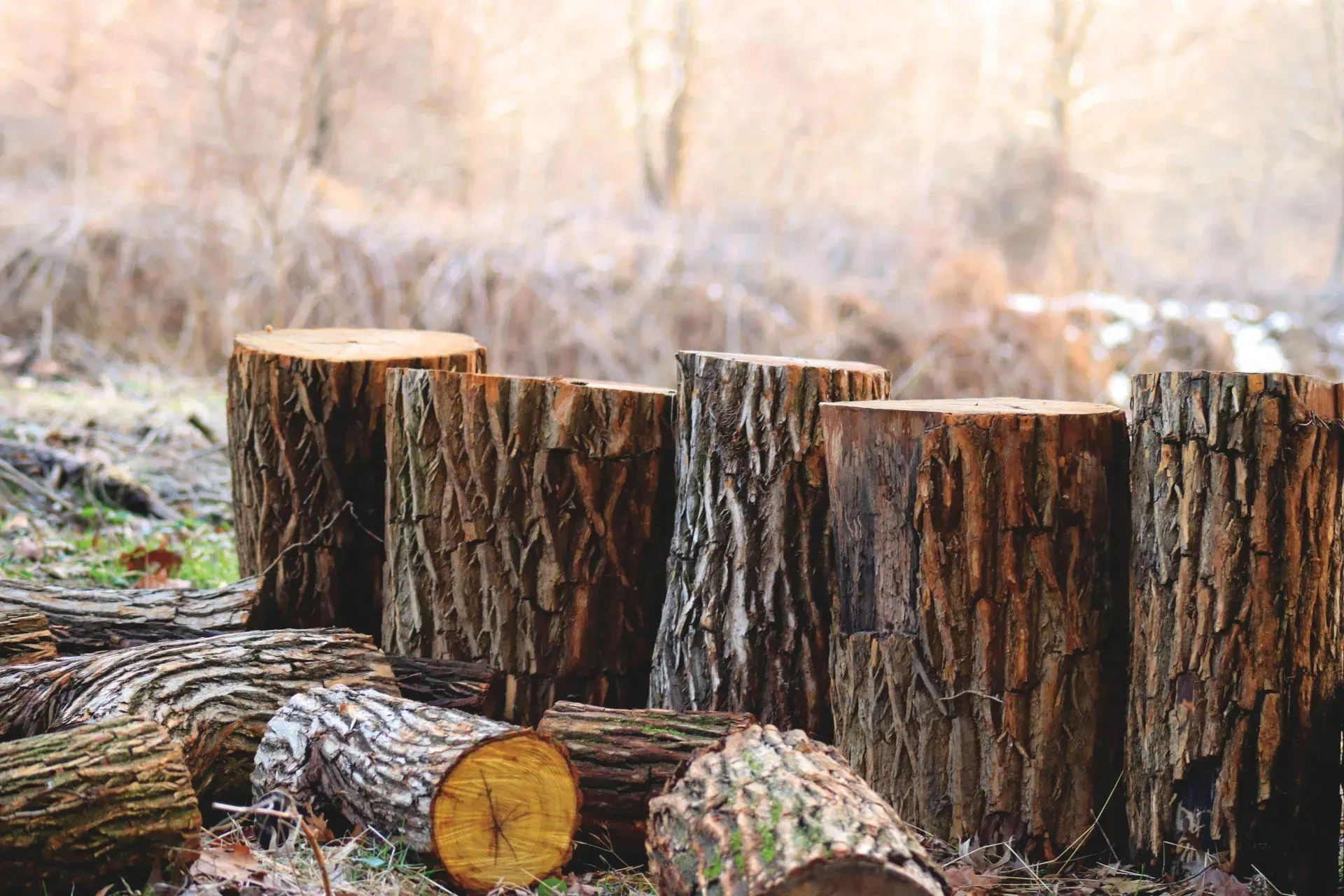
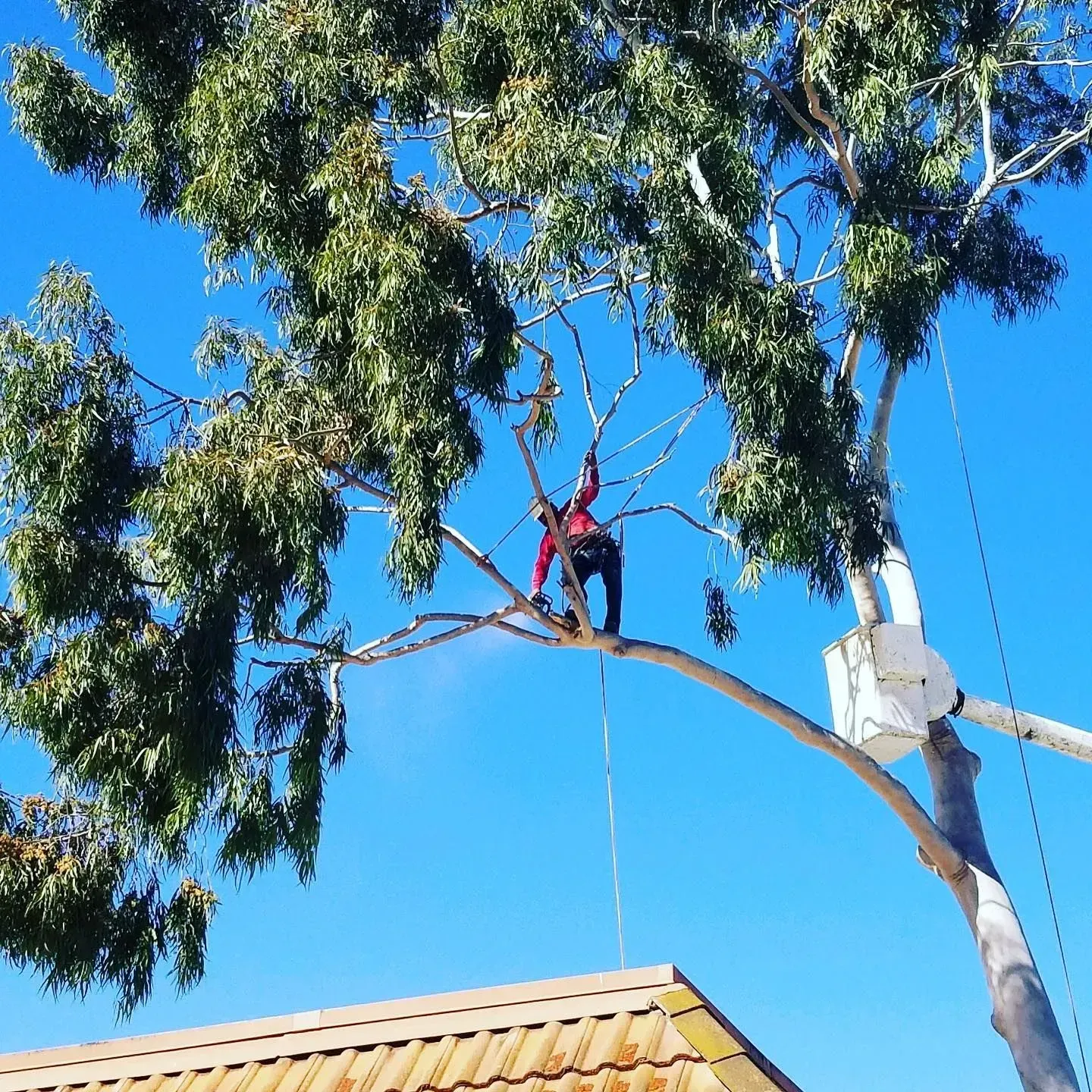
Maintaining aesthetically pleasing, structurally sound, and healthy trees requires regular tree-cutting. If you are trying to maintain a clean landscape and hoping to improve the curb appeal of your property, knowing when to trim your trees can make a big impact. Tree health, possible risks, and overall beauty can all be enhanced by planning tree cutting at the ideal moment.
Why Is Tree Trimming Important?
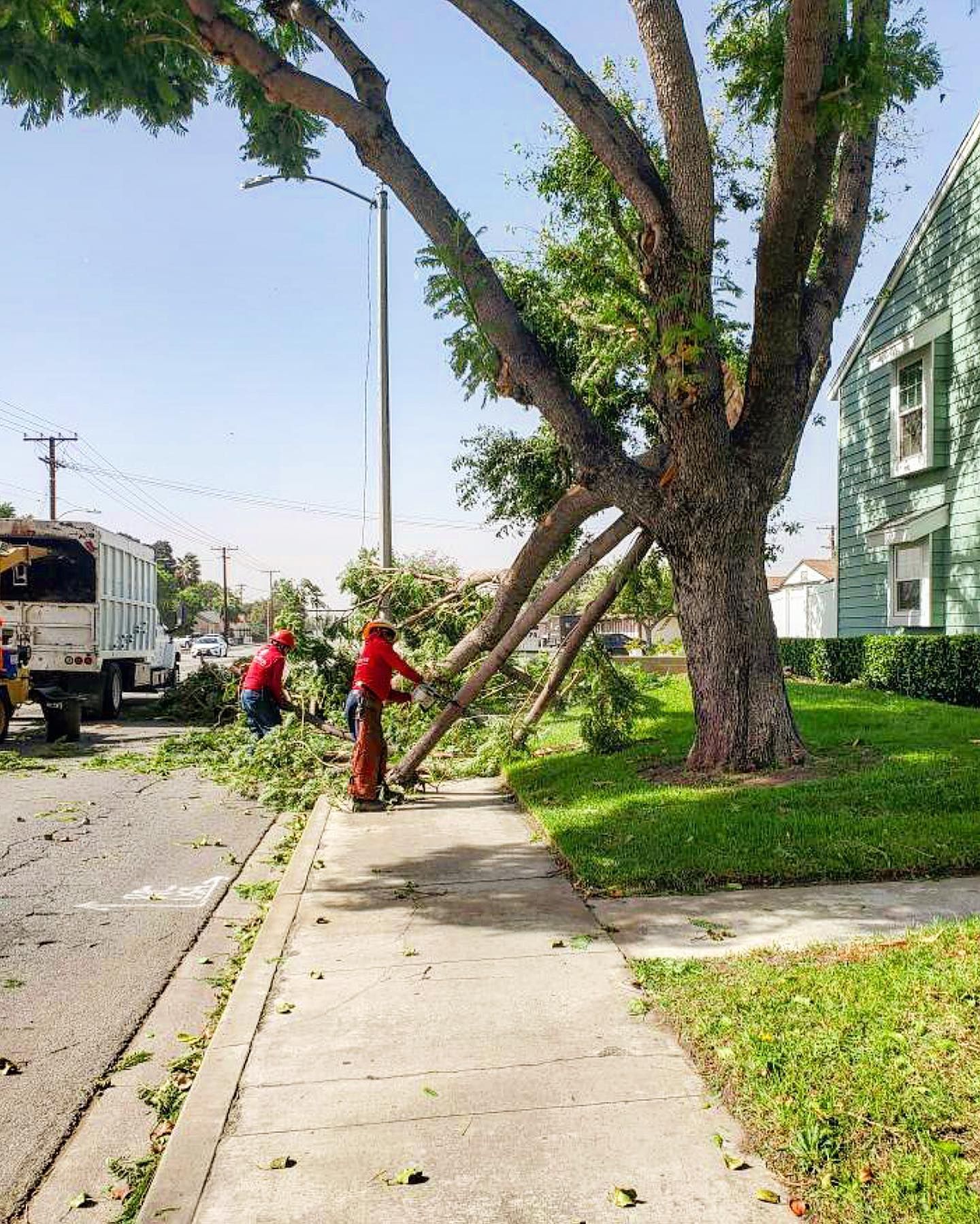
Tree trimming involves removing overgrown, diseased, or dead branches to improve a tree’s structure, health, and appearance. Proper trimming can help trees thrive, prevent damage to nearby structures, and enhance safety by reducing the risk of falling branches. However, the timing of tree trimming plays a crucial role in achieving these benefits.
Best Time for Tree Trimming
One of the best times to trim trees is during the dormant season, which typically occurs in late winter to early spring, depending on your region. During this period, trees are less susceptible to disease and pest infestations. Pruning wounds heal faster, reducing the risk of infections. Without leaves, the tree’s structure is more visible, allowing for precise cuts, and it promotes healthy growth once the growing season begins.
Tree-Specific Considerations
While most trees benefit from winter pruning, some species, such as maples, birches, and walnuts, tend to bleed sap heavily if pruned too early. Late spring to early summer can be a better time for these trees. Additionally, flowering trees like magnolias and lilacs should be pruned after their blooms fade to encourage more vibrant blossoms the following season. Light pruning during late summer to early fall is acceptable for trees that require minor shaping or removal of small branches. However, heavy pruning should be avoided as it may stress the tree before winter sets in.
When to Avoid Tree Trimming
Trimming trees in mid to late fall is generally discouraged because trees are preparing for dormancy, making it harder for them to recover from pruning wounds. Fungal infections are more prevalent during fall, increasing the risk of disease. Pruning in fall can also lead to excessive sap loss, weakening the tree. While winter pruning is beneficial, early winter pruning in extremely cold climates can be harmful. Fresh cuts may take longer to heal in freezing temperatures, leaving trees vulnerable to damage from frost and snow.
Additional Factors Influencing Tree Trimming Timing
In addition to seasonal considerations, other factors may influence the ideal time for tree trimming. Different species have unique growth cycles and trimming needs. If a tree shows signs of disease, pest infestation, or storm damage, trimming may be necessary regardless of the season. If branches pose a threat to property, power lines, or people, immediate trimming is required to prevent accidents. If you want to shape a tree for landscaping purposes, the best time may depend on your desired outcome.
Scheduling
tree trimming at the right time can enhance tree health, improve safety, and boost your property’s overall appearance. While late winter to early spring is generally the best time for pruning, certain trees and specific circumstances may require adjustments. If you’re unsure about the best time to trim your trees, consulting a professional arborist can help you make the right decision based on your specific tree species and location. By planning and timing your tree trimming wisely, you can enjoy healthier, safer, and more attractive trees year-round.
Recent Posts