HOME / SERVICE AREA /
LOCAL TREE CARE
Top Plant Health Care Practices for Vibrant and Thriving Landscapes
Check out Our Recent Blogs

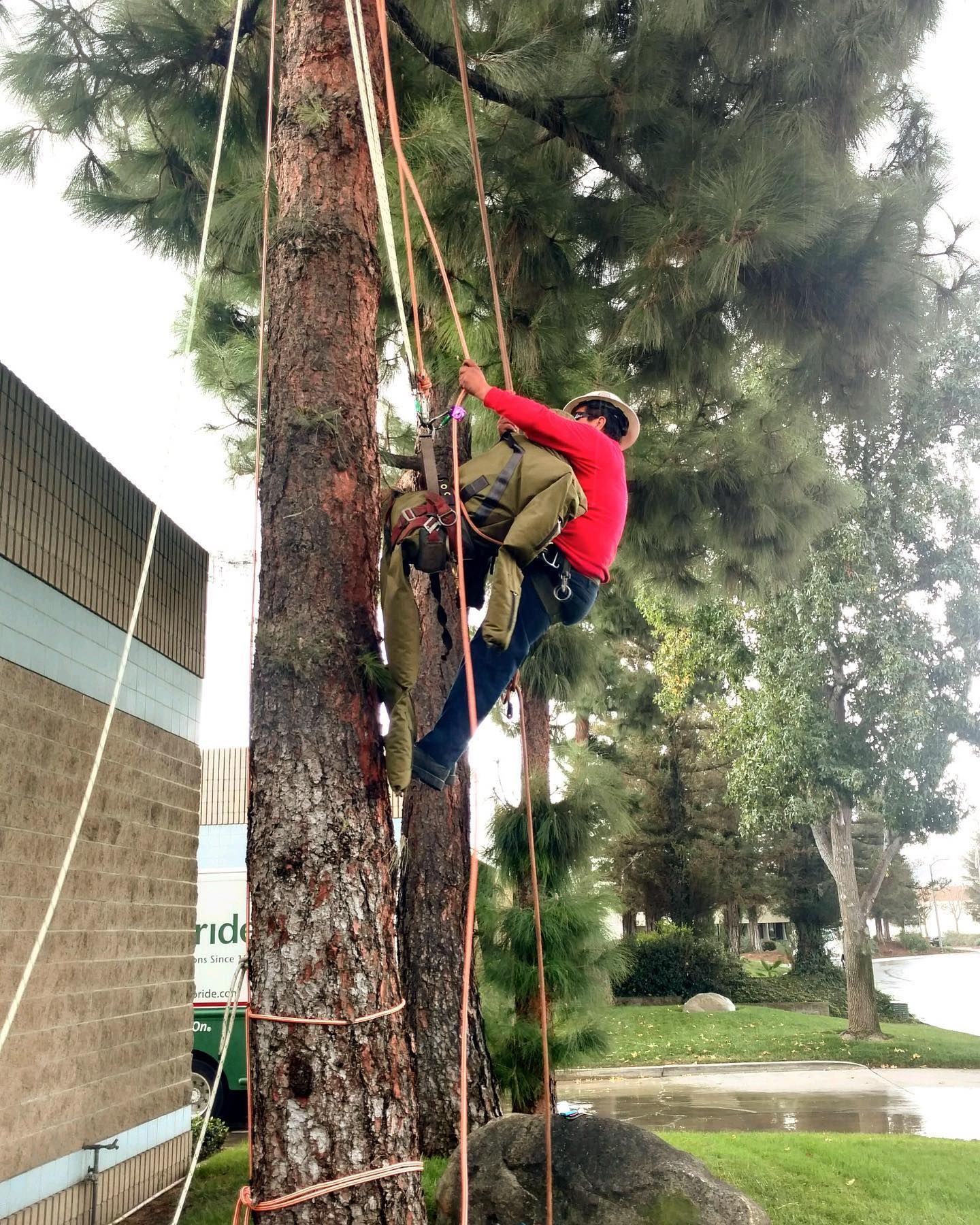
Plant healthcare professionals are leading the way in designing and implementing water-wise landscapes that reduce irrigation needs. Techniques such as drought-tolerant plants, efficient irrigation systems, and rainwater harvesting are used. This way, landscapes remain beautiful and sustainable, even in areas with less water.
4. Implementing Water-wise Landscaping
Bees, butterflies, and other pollinating friends are essential in our ecosystems. Professionals are building gardens that welcome these creatures. Planting a mix of flowers that bloom at different times of the year ensures that pollinators have a consistent food source. Avoiding pesticides and providing natural habitats can make our gardens safe havens for pollinators.
6. Supporting Pollinators in Our Gardens
9. Light Management: Mimicking Natural Rhythms
Especially vital for indoor plants, understanding a plant's light needs is crucial. Too much can scorch them, while too little can lead to weak growth. If natural light is insufficient, consider LED grow lights that can be tailored to a plant's specific needs.
Professionals use technology to help them do more efficient landscaping. From sophisticated irrigation controllers that adjust watering based on weather conditions to drones that monitor plant health from above, plant healthcare professionals are leveraging technology to make landscape management more efficient and effective.
Plant healthcare professionals are most important in landscape management. Through their dedication to sustainable practices, they are enhancing the beauty and health of landscapes and contributing to the planet's well-being. They show how it is possible to create outdoor spaces that are both stunning and sustainable.
7. Using Technology
Some firewood delivery services offer sustainably sourced wood for eco-conscious customers. This means the wood comes from forests that are replanted and managed responsibly. You can enjoy your fire by choosing a sustainable option, knowing you're not harming the environment.
Sustainable Firewood Options
The best delivery services go beyond just dropping off wood. Some companies offer friendly and knowledgeable staff who can answer your questions about firewood types, burning techniques, or fireplace maintenance. This personalized touch can make a big difference in your firewood buying experience.
Delivery with a Personal Touch
Assess the Situation
Water scarcity is a constant concern in Southern California. Smart irrigation systems use a combination of sensors, weather data, and historical water usage patterns to create an irrigation plan that delivers the precise amount of water each plant needs. This not only conserves water but also prevents plants from suffering from water stress, which can weaken them and make them more susceptible to disease.
These advanced technologies are just the beginning of a revolution in
plant healthcare. As research and development continue, we can expect even more innovative solutions to emerge, such as gene editing for disease resistance and robots for targeted weed removal. By embracing these advancements, Southern California's farmers can ensure the health of their crops, optimize resource use, and contribute to a more sustainable agricultural future, feeding a growing population while protecting the environment for generations to come.
5. Biological Pest Control: A Sustainable Approach
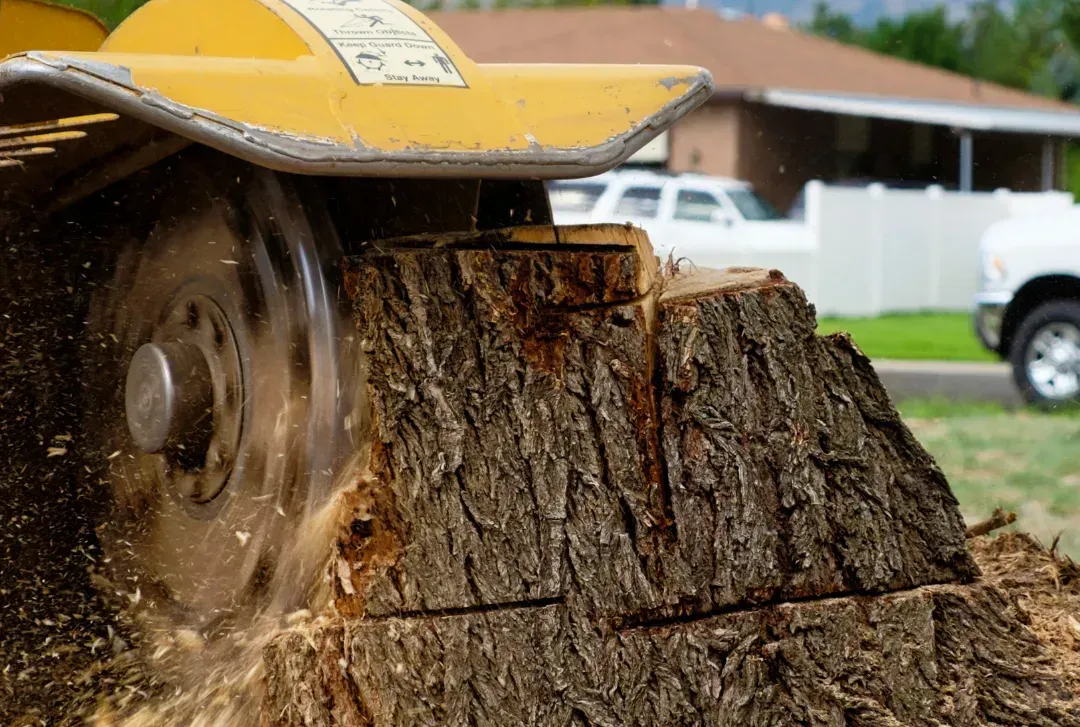
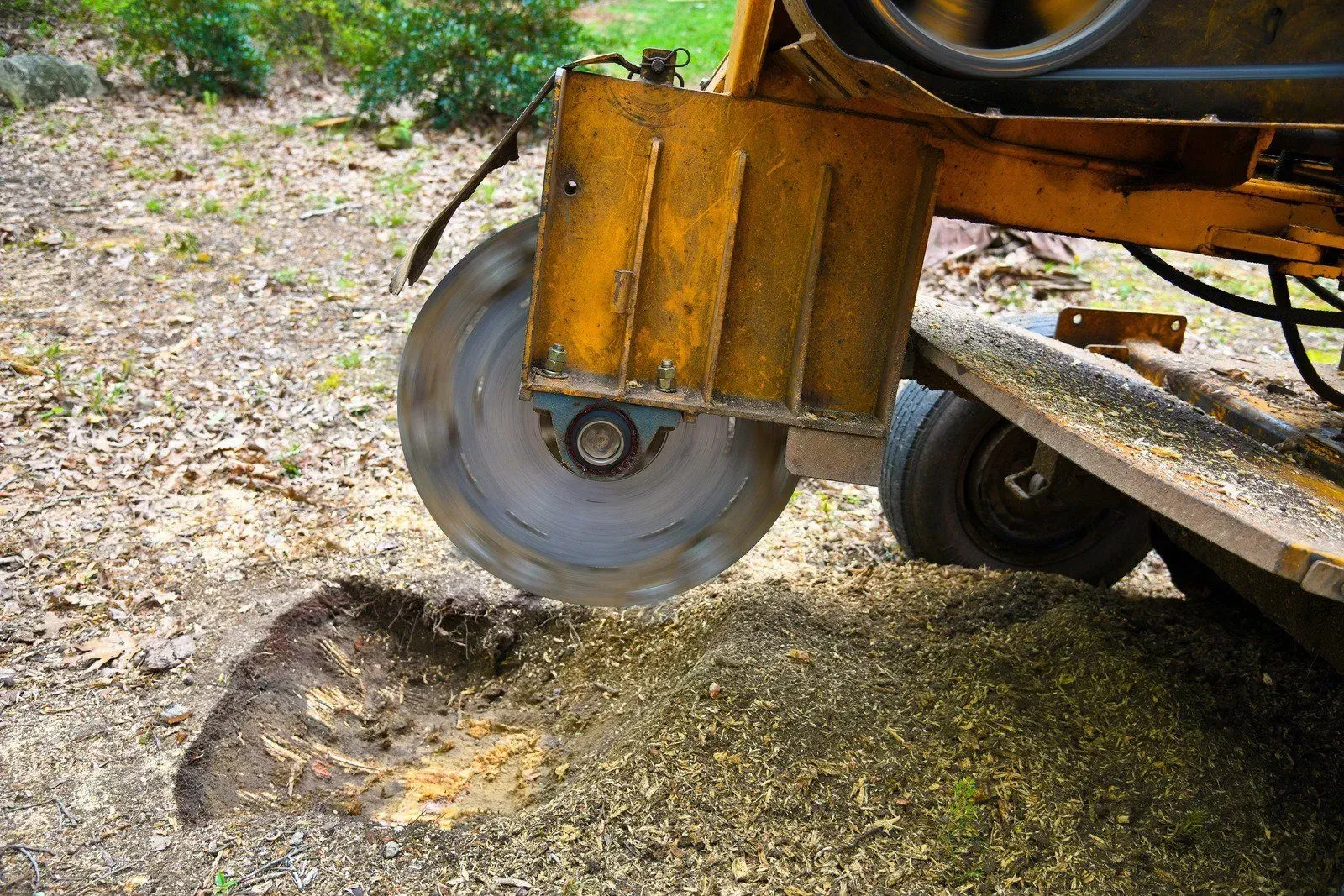
Comparison Between Stump Grinding And Stump Removal
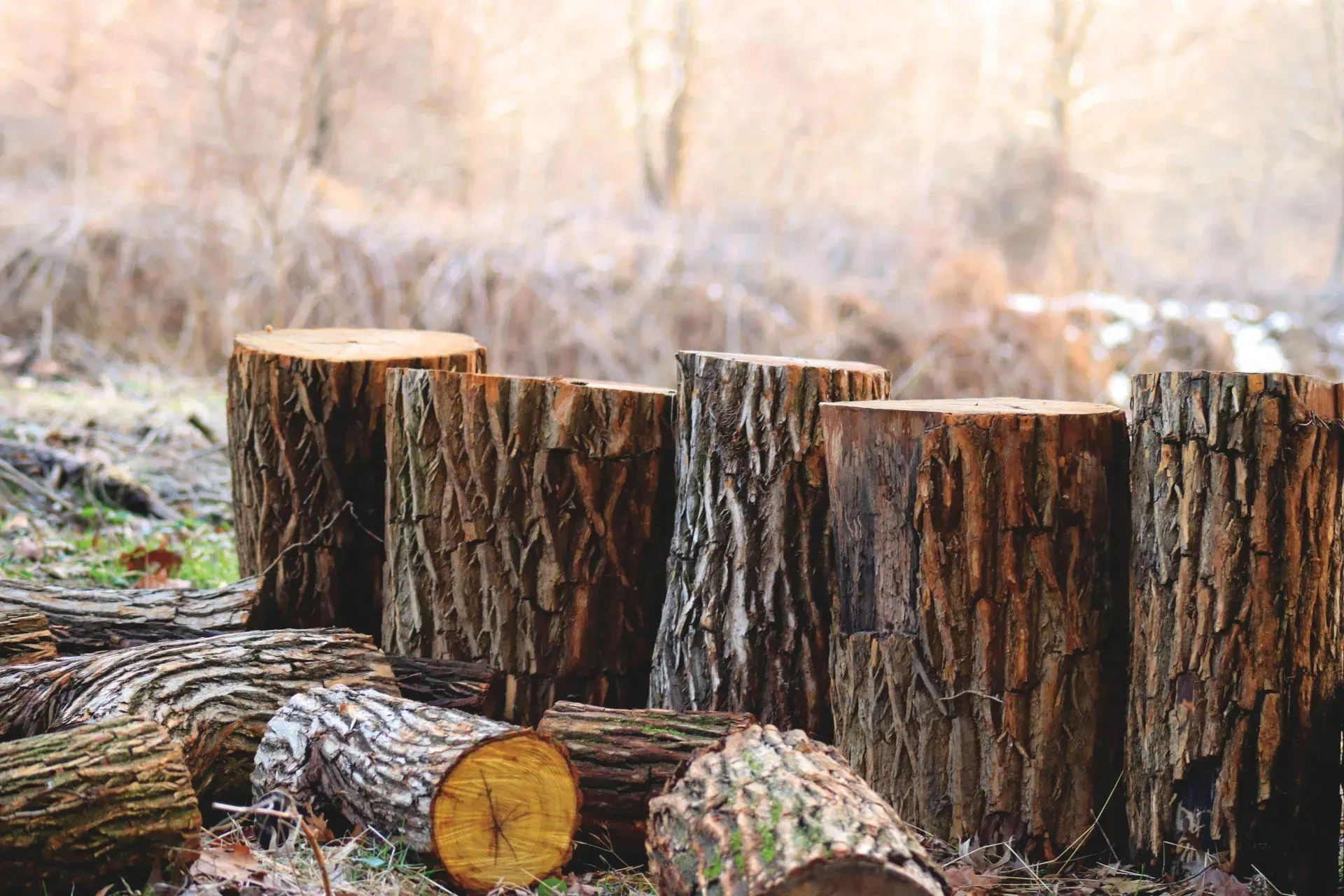
Maintaining a beautiful landscape requires
proper care for plants. Healthy plants will improve the look of your garden and also boost the environment. However, if you want to achieve a thriving garden, you need to use the right care techniques like regular watering and trimming, soil maintenance, seasonal care, and more. Below are key practices to keep your plants in top shape.
1. Regular Watering for Growth
All plants need water, but the amount and frequency can be the difference between healthy growth and potential damage. You need to understand the needs of your specific plants. The best time to water is early in the morning. It makes the water reach the roots without evaporating too quickly. You should avoid overwatering as it can damage the roots.
2. Proper Fertilizers Usage
Proper fertilizers are important for the strong and healthy growth of plants. When you use fertilizers, the plants get the nutrients necessary for proper growth. Organic fertilizers can be a great choice as they improve soil quality. But keep in mind that using too much fertilizer can damage plants. Thus, always read the instructions carefully before using it in the garden.
3. Pruning and Trimming
Pruning helps keep plants healthy and promote growth. Removal of dead or overly crowded parts allows the plant to direct its energy toward producing new growth. Regular trimming also helps improve the shape of trees and shrubs. It is important to prune with clean and sharp tools so that the process does not cause any damage to your plants.
4. Pest and Disease Control
Pests and diseases can quickly devastate gardens; therefore, plants must be checked on a regular basis for any signs of pests or diseases. Early detection provides better control over these problems before they spread. Natural pest controls through the use of neem oil and other eco-friendly alternatives will prevent plant diseases. It is also good to keep the garden clean and free from debris as this will thoroughly reduce the chances of getting pests in your garden.
5. Proper Mulching
Mulching is an important practice for plant health. It helps retain water in the soil and regulates temperature. It also prevents the growth of weeds and improves the soil structure as well. Organic mulches such as bark, straw, or leaves gradually decompose over time, adding nutrients to the soil. A layer of mulch placed around the plants helps them remain strong throughout the year.
6. Soil Maintenance
Healthy soil is a basic necessity for a productive garden. For proper plant growth, there must be a balance of minerals, air, and organic matter. The soil must be properly checked for its pH and nutrient composition. Adding compost and other organic matter may improve poor soil. Nurturing soil by occasional aeration promotes better water and nutrient absorption. A healthy soil structure also allows root growth and offers support for the plant.
The establishment of a vibrant and flourishing landscape is not a momentary exercise; it requires nurturing and persistent effort. Water applied in proper amounts, along with a well-identified pruning schedule, plowing of the soil, and organic treatments for pests will result in a healthily produced garden. Simple practices, including mulching and selecting the right plants, also contribute. All these tips ensure that the garden remains as beautiful and flourishing as expected throughout the year.
Recent Posts