HOME / SERVICE AREA /
LOCAL TREE CARE
Benefits of Micro-Injections in Plant Health Care
Check out Our Recent Blogs

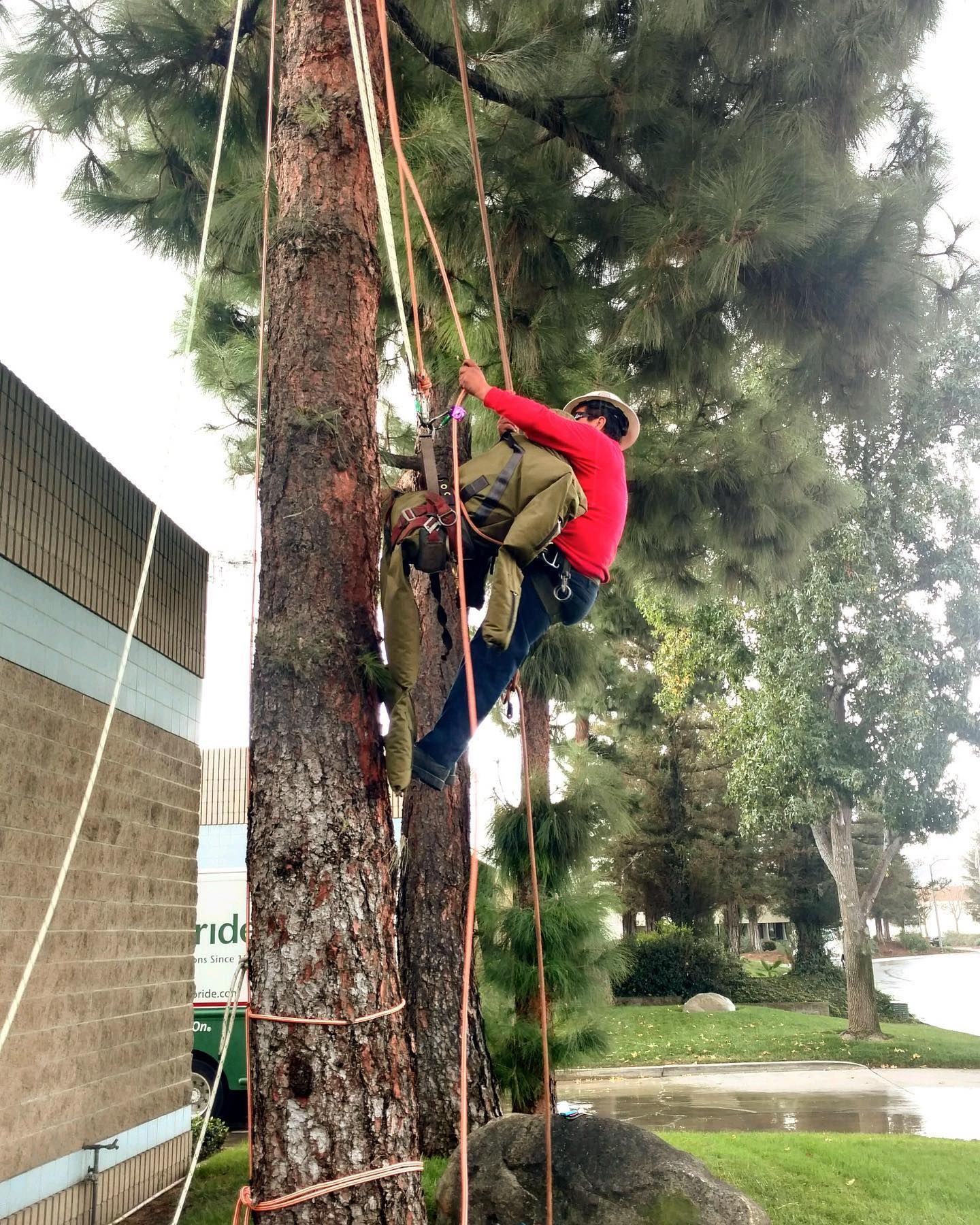
Plant healthcare professionals are leading the way in designing and implementing water-wise landscapes that reduce irrigation needs. Techniques such as drought-tolerant plants, efficient irrigation systems, and rainwater harvesting are used. This way, landscapes remain beautiful and sustainable, even in areas with less water.
4. Implementing Water-wise Landscaping
Bees, butterflies, and other pollinating friends are essential in our ecosystems. Professionals are building gardens that welcome these creatures. Planting a mix of flowers that bloom at different times of the year ensures that pollinators have a consistent food source. Avoiding pesticides and providing natural habitats can make our gardens safe havens for pollinators.
6. Supporting Pollinators in Our Gardens
9. Light Management: Mimicking Natural Rhythms
Especially vital for indoor plants, understanding a plant's light needs is crucial. Too much can scorch them, while too little can lead to weak growth. If natural light is insufficient, consider LED grow lights that can be tailored to a plant's specific needs.
Professionals use technology to help them do more efficient landscaping. From sophisticated irrigation controllers that adjust watering based on weather conditions to drones that monitor plant health from above, plant healthcare professionals are leveraging technology to make landscape management more efficient and effective.
Plant healthcare professionals are most important in landscape management. Through their dedication to sustainable practices, they are enhancing the beauty and health of landscapes and contributing to the planet's well-being. They show how it is possible to create outdoor spaces that are both stunning and sustainable.
7. Using Technology
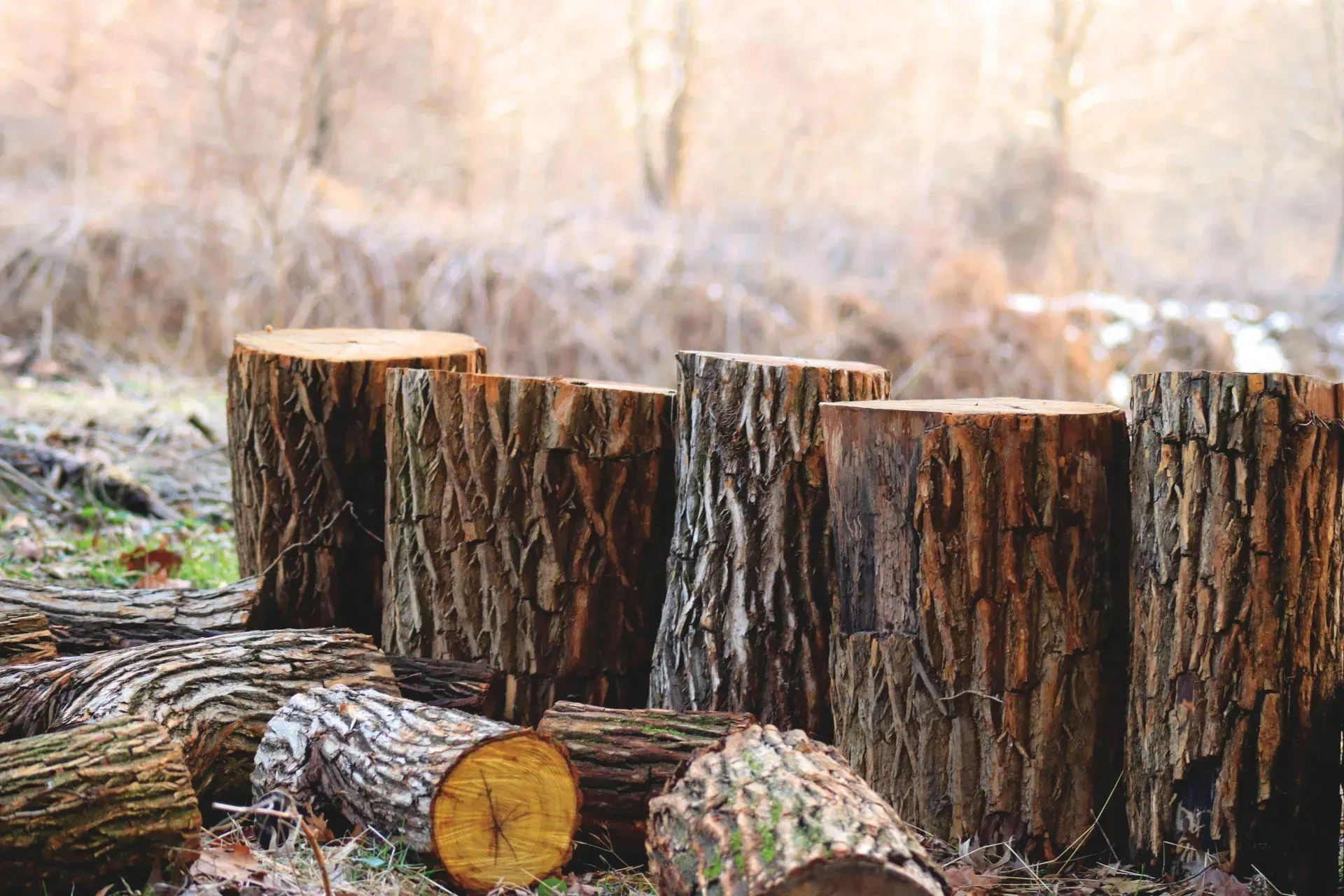
Maintaining vibrant and healthy trees and shrubs can sometimes feel like an uphill battle against pests, diseases, and nutrient deficiencies. Traditional solutions like spraying or soil treatments have their place, but there's a growing interest in a more targeted and sustainable approach to micro-injections. This innovative technique offers a range of benefits for boosting plant health.
Understanding Micro-Injections
Micro-injections involve delivering nutrients, fertilizers, pesticides, or other beneficial substances directly into a plant's vascular system. Using specialized equipment, a trained arborist administers a small, concentrated dose of the treatment at the base of the tree or shrub. The plant's natural circulatory system then distributes the substance throughout its tissues where it's needed.
Why Choose Micro-Injections?
Precision and Efficiency: This method ensures the treatment goes directly to the source, maximizing uptake and minimizing waste. It's ideal for addressing specific pests or nutrient deficiencies quickly and effectively.
Environmentally Conscious: Micro-injections significantly reduce the risk of pesticide drift and the potential harm to beneficial insects or surrounding plants, making them an eco-friendly option for environmentally conscious property owners.
Long-lasting Results: In some cases, the effects of a single micro-injection treatment can last for multiple seasons, reducing the need for frequent reapplications.
Urban-Friendly Solution: Micro-injections are a perfect fit for trees and shrubs in urban settings where spraying pesticides might be restricted or raise concerns due to proximity to people or buildings.
Is Micro-Injection Right for Your Plants?
While micro-injections offer numerous benefits, it's important to understand when they are the most suitable solution. Here are key situations where this treatment method shines:
Targeted Pest Control: If your trees or shrubs are battling a specific pest infestation, such as aphids, scales, or certain beetles, micro-injections provide targeted control without affecting beneficial insects as broadly as spraying might.
Stubborn Nutrient Deficiencies: Plants suffering from conditions like iron chlorosis often don't respond well to soil-applied fertilizers. Micro-injecting iron directly into the plant's system can deliver a quick and effective solution.
Managing Certain Diseases: Some fungal or bacterial diseases in trees and shrubs can be effectively suppressed through targeted injections.
Challenging Urban Settings: In densely populated areas where spraying is impractical or undesirable, micro-injections offer a discreet and environmentally friendly way to protect valuable trees.
Long-Term Protection: Micro-injections may be the right choice when you want a solution that provides sustained protection or supports tree health over multiple seasons.
Consulting with an Arborist
The best way to determine if micro-injection is the right solution for your plant's problems is to consult a certified arborist. They will thoroughly assess your trees or shrubs, identify the underlying issues, and recommend the most appropriate treatment plan.
A Valuable Tool for Plant Health
Micro-injections offer a powerful addition to your
plant healthcare toolkit. This targeted and sustainable approach promotes healthy plants while minimizing environmental impact combined with good cultural practices. By investing in micro-injections, you're making a smart choice for both your valuable plants and the well-being of your landscape.
Recent Posts