Check out Our Recent Blogs
Learn how to safely remove trees & stumps without damage. Contact Tree Pros Inc. for expert services in Chino, CA.
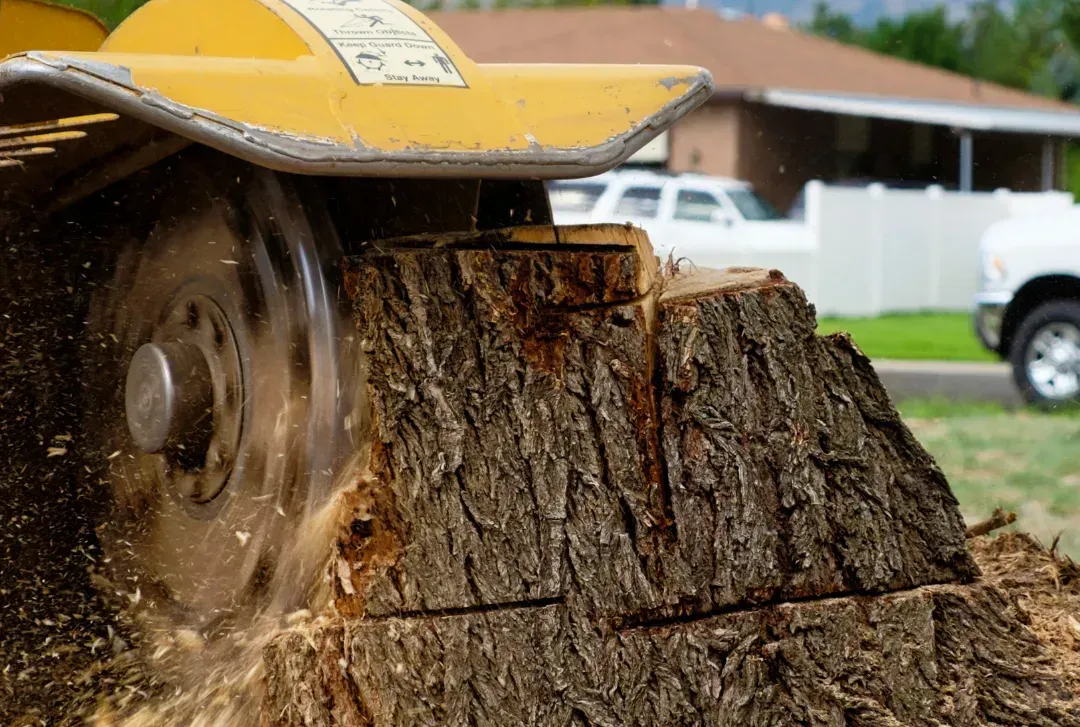
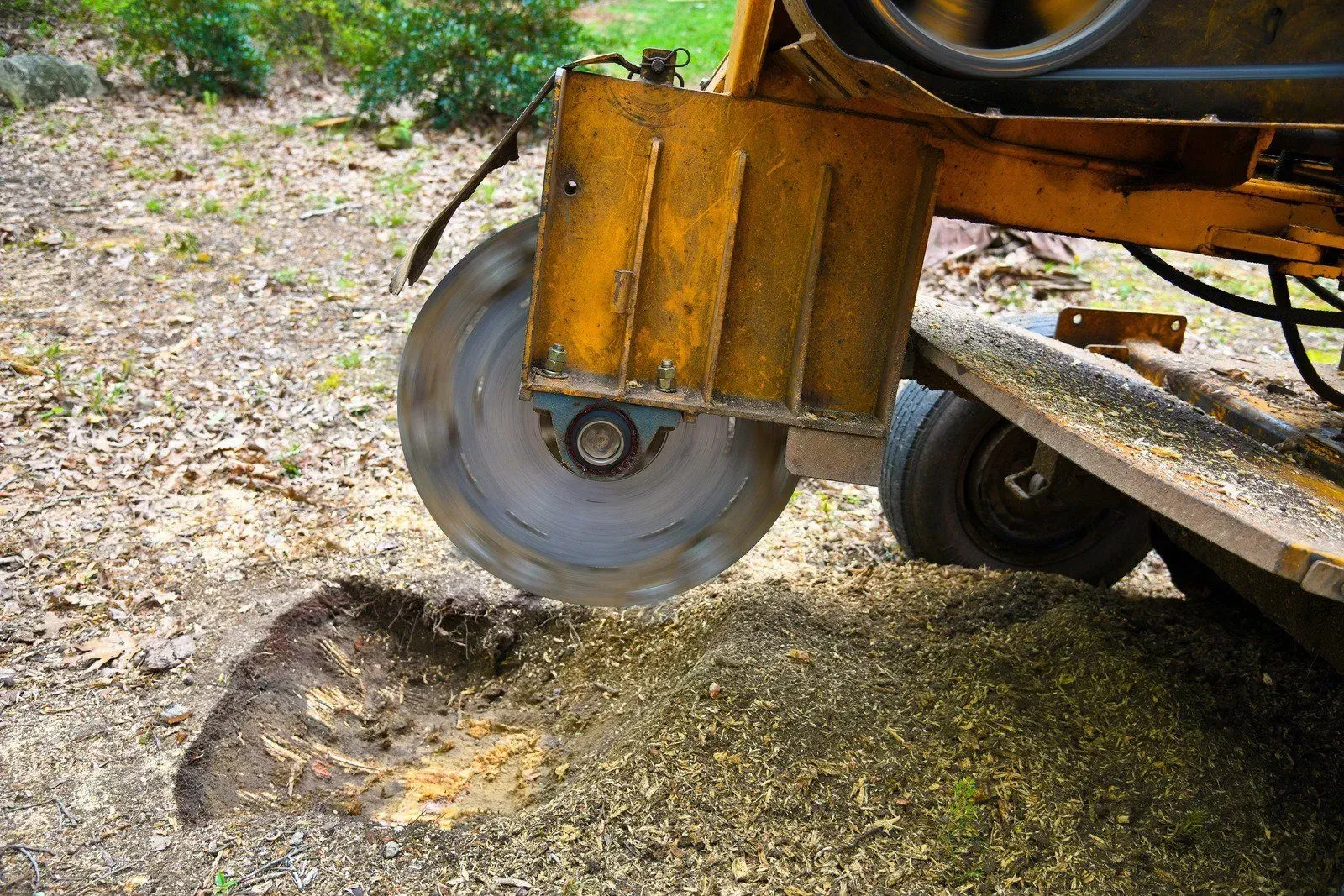
A tree stump can create many problems when left to stick around the property for long. It can prove hazardous for lawn health and property safety. Whether a bad storm has caused a tree to fall in the yard or you have recently removed a tree, it is essential to eliminate the unsightly stump from the property without any delay. Stump removal or grinding in Chino, CA, requires a lot of time, powerful tools, and elbow and grease, but it is critical to go ahead with it for several reasons.
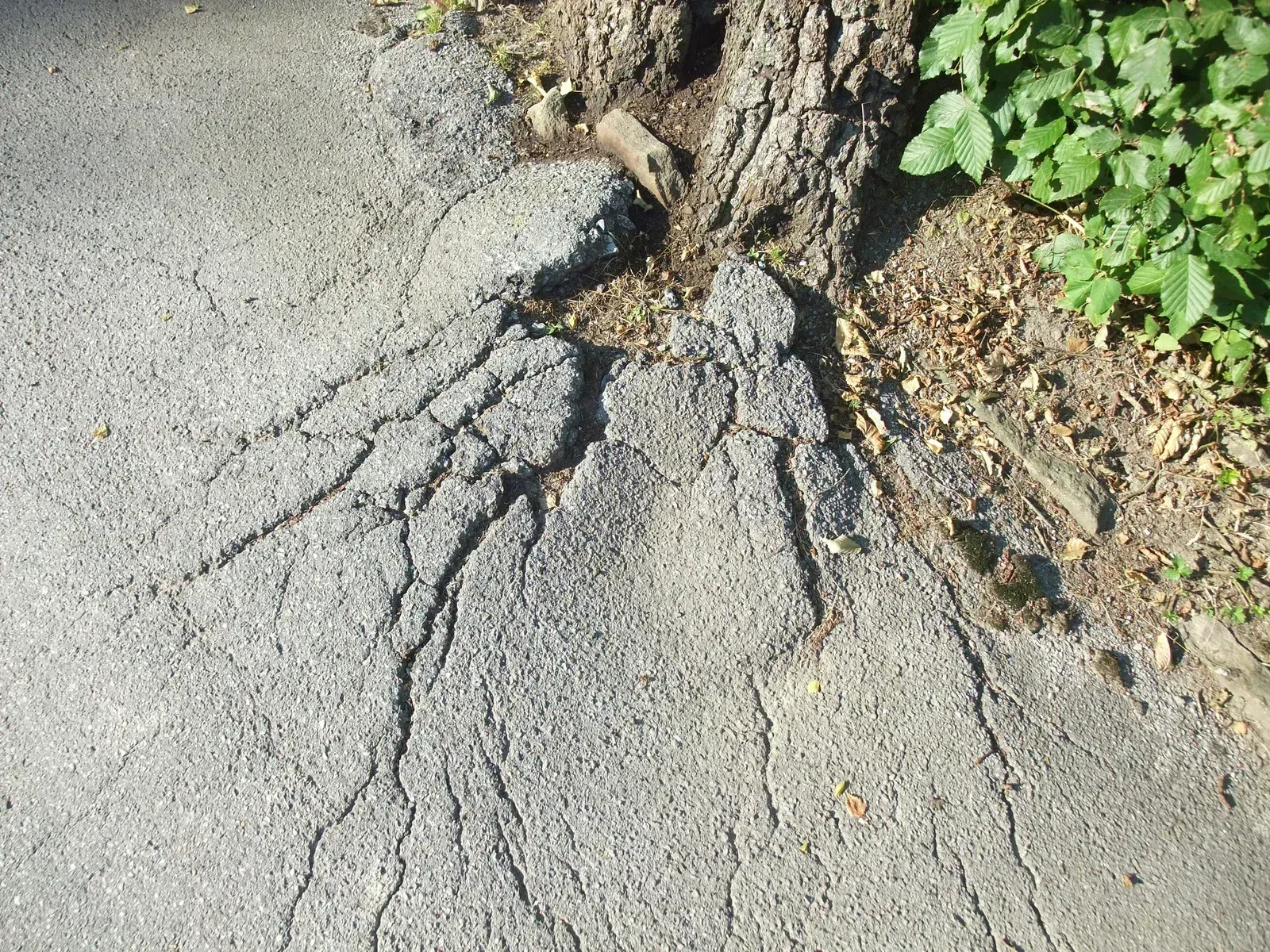
Learn how to manage tree roots causing cracks in your pool deck. Contact us for expert advice on pruning & barriers.
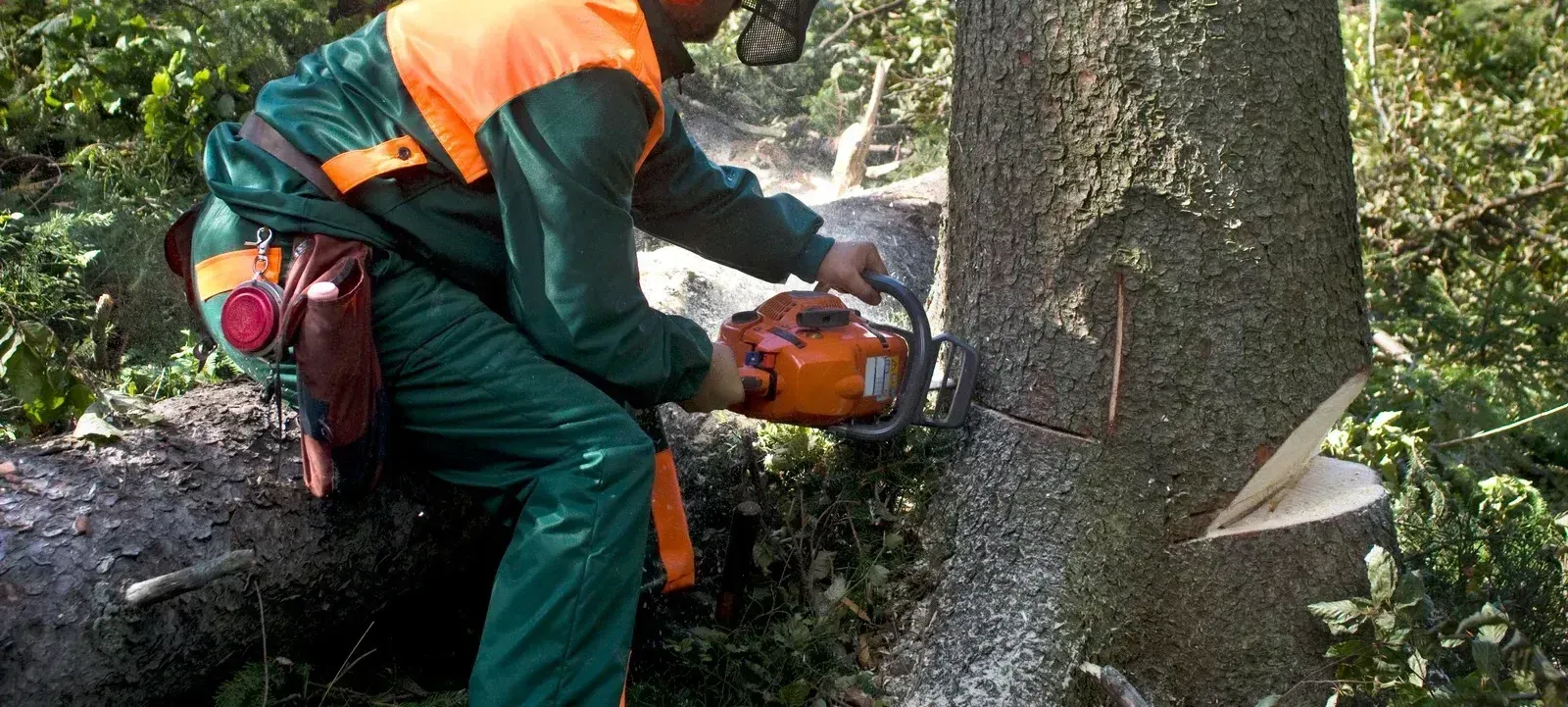
Trees are a vital part of any landscape, providing shade, aesthetic appeal, and environmental benefits. However, there are times when a tree
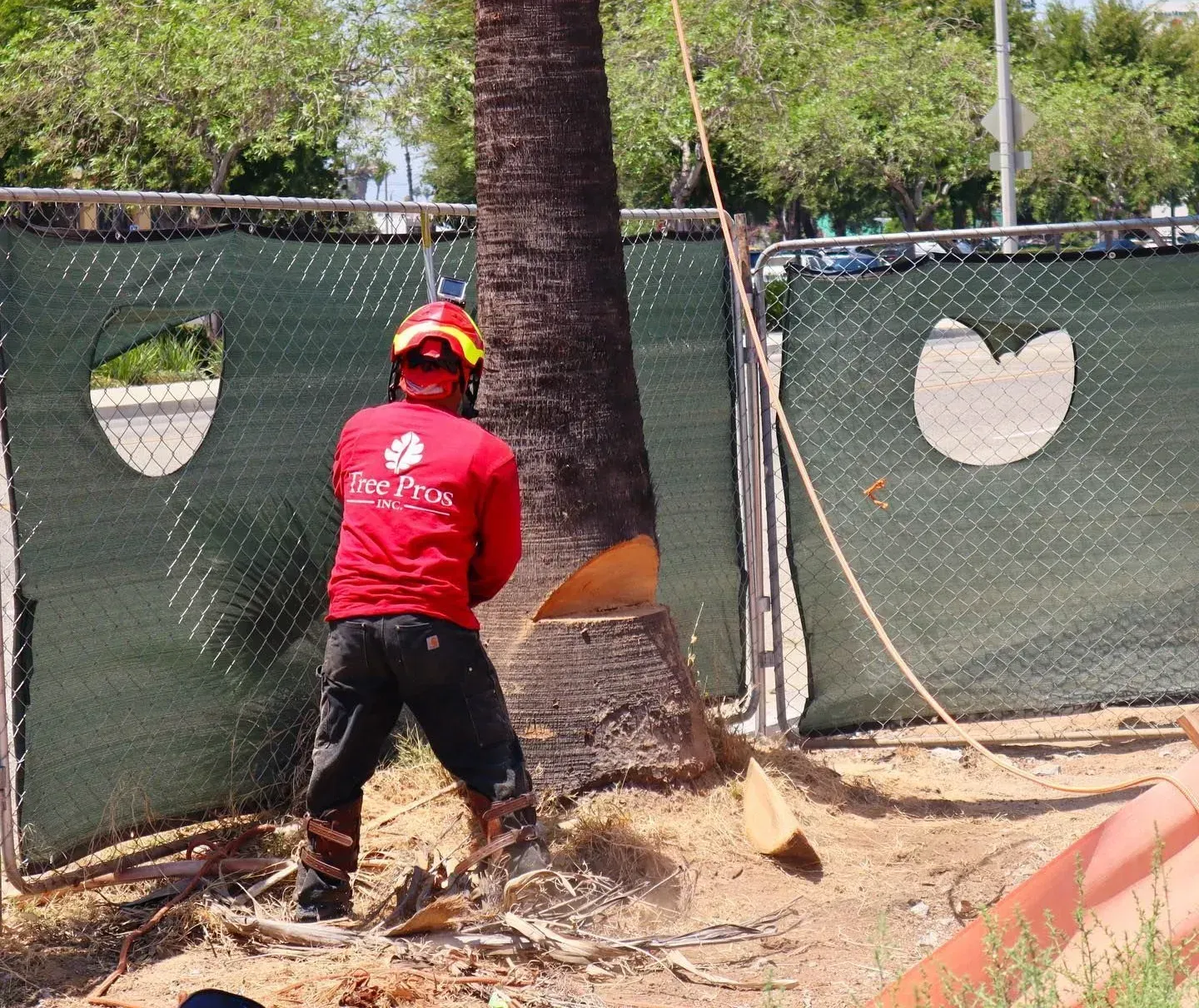
Trees provide essential benefits to properties, offering shade, beauty, and ecological balance. However, when a tree becomes diseased,
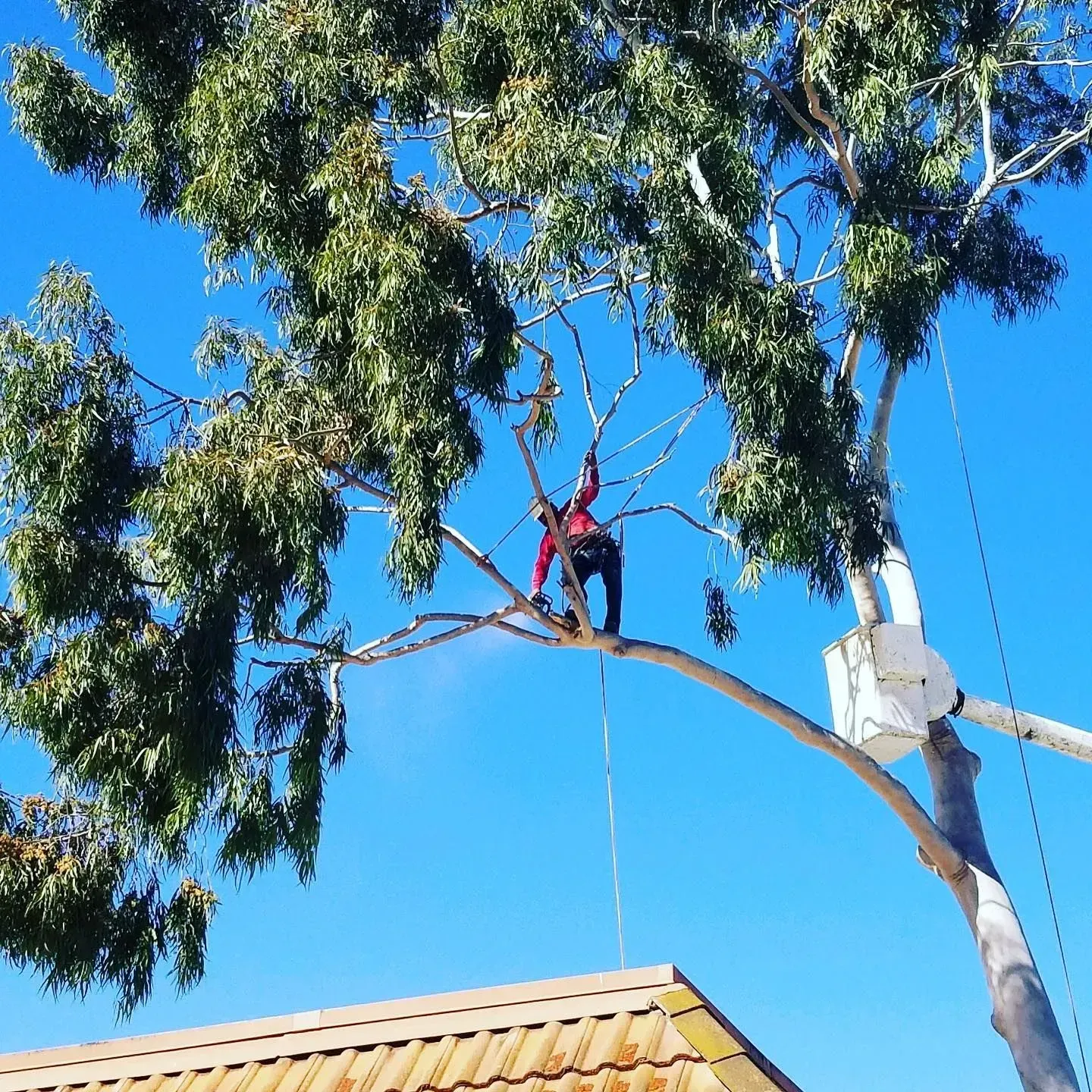
Trees are invaluable assets to any property. They provide shade, enhance curb appeal, improve air quality, and even contribute to energy efficiency
Trees play a critical role in shaping the aesthetic appeal, environmental health, and overall value of residential and commercial properties.
Removing tree stumps is a critical step in maintaining both the safety and aesthetics of your property.
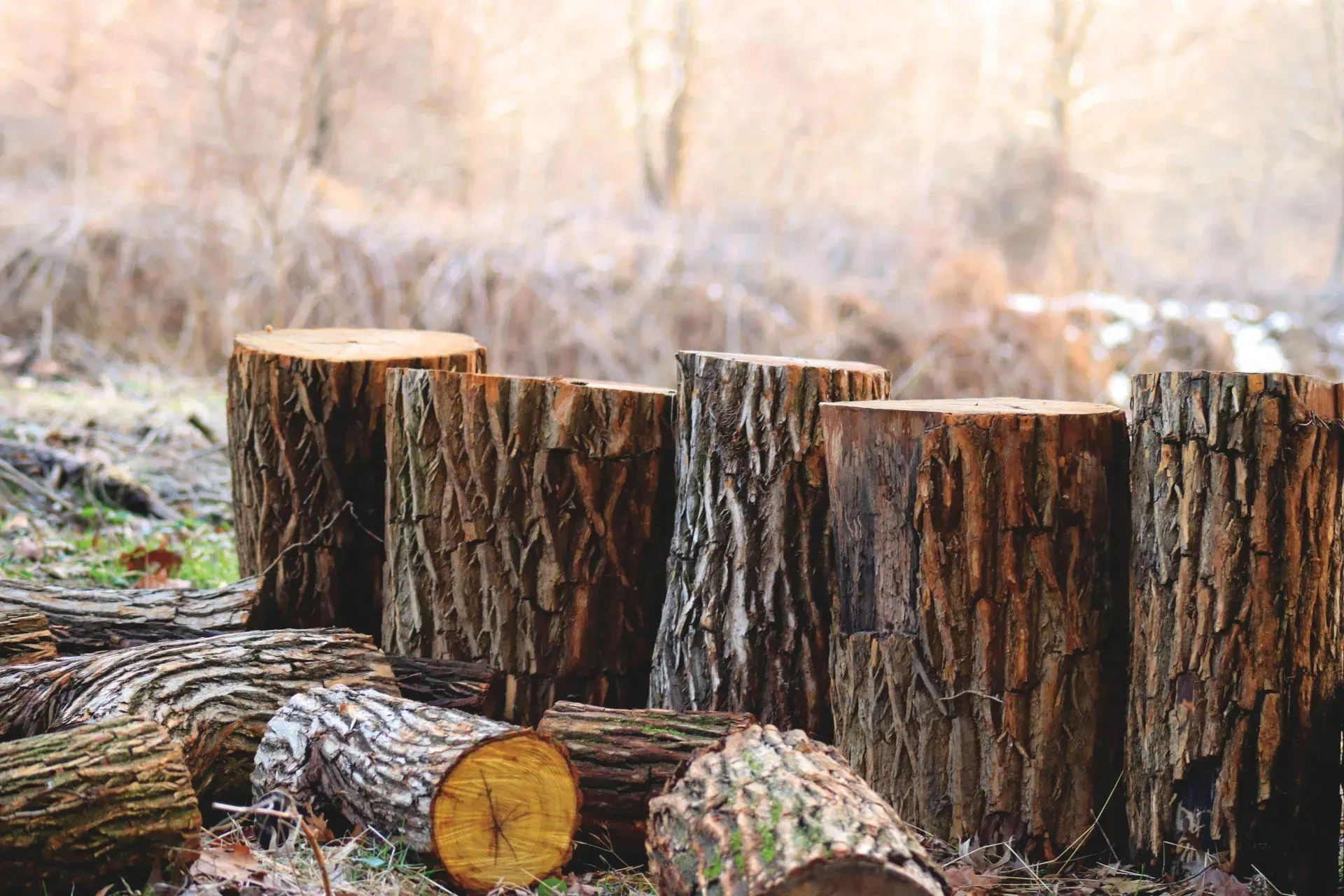
Tree stumps are often overlooked remnants in residential and commercial landscapes, left behind after tree removal due to cost, convenience, or sheer neglect.
Learn how to safely remove trees & stumps without damage. Contact Tree Pros Inc. for expert services in Chino, CA.
A tree stump can create many problems when left to stick around the property for long. It can prove hazardous for lawn health and property safety. Whether a bad storm has caused a tree to fall in the yard or you have recently removed a tree, it is essential to eliminate the unsightly stump from the property without any delay. Stump removal or grinding in Chino, CA, requires a lot of time, powerful tools, and elbow and grease, but it is critical to go ahead with it for several reasons.
Learn how to manage tree roots causing cracks in your pool deck. Contact us for expert advice on pruning & barriers.
Trees are a vital part of any landscape, providing shade, aesthetic appeal, and environmental benefits. However, there are times when a tree
Trees provide essential benefits to properties, offering shade, beauty, and ecological balance. However, when a tree becomes diseased,
Trees are invaluable assets to any property. They provide shade, enhance curb appeal, improve air quality, and even contribute to energy efficiency
Trees play a critical role in shaping the aesthetic appeal, environmental health, and overall value of residential and commercial properties.
Removing tree stumps is a critical step in maintaining both the safety and aesthetics of your property.
Tree stumps are often overlooked remnants in residential and commercial landscapes, left behind after tree removal due to cost, convenience, or sheer neglect.
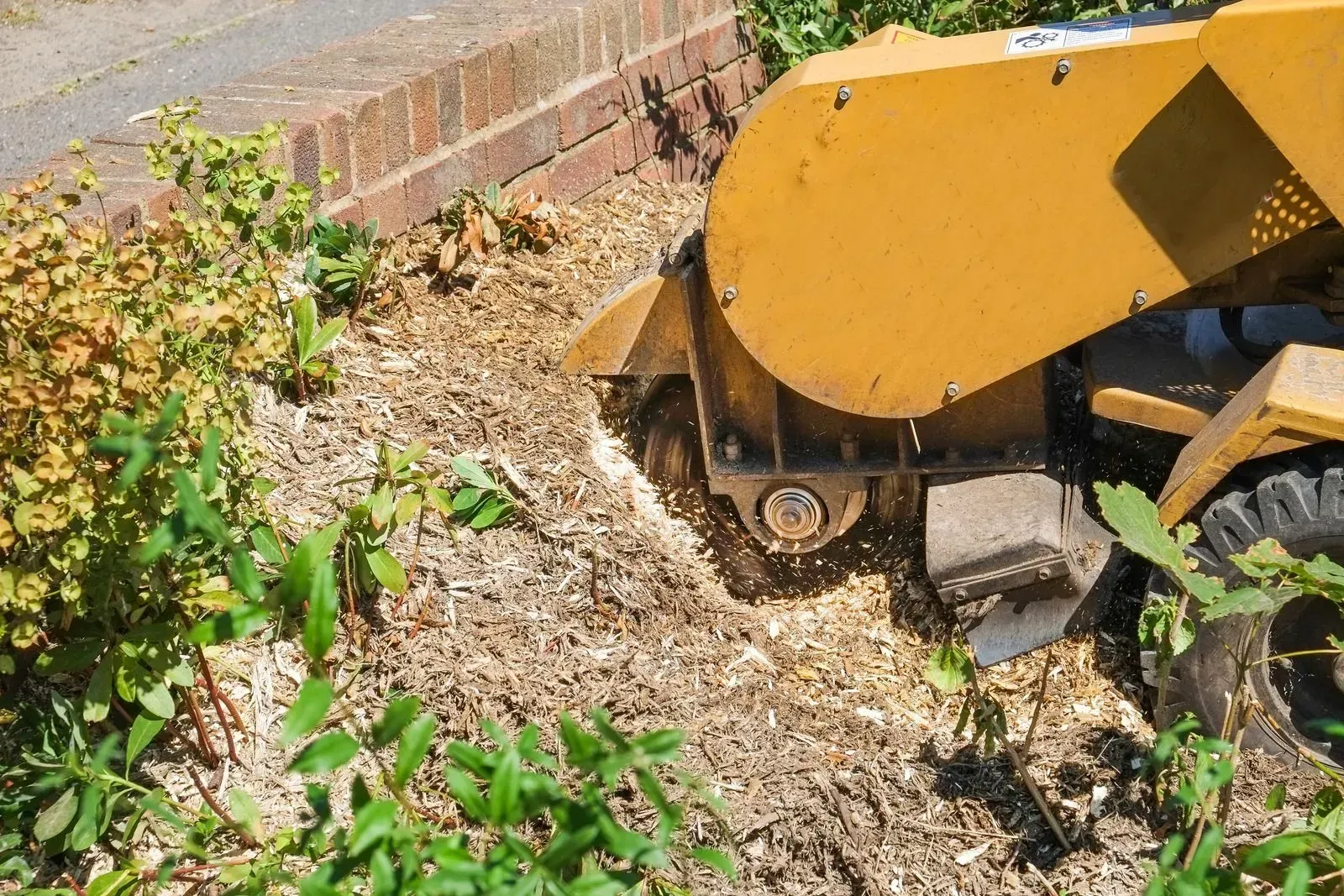
Tree removal is often seen as the final step in maintaining or redesigning a landscape, but the remaining stump is more than just an aesthetic inconvenience.