Check out Our Recent Blogs
Plant healthcare professionals are leading the way in designing and implementing water-wise landscapes that reduce irrigation needs. Techniques such as drought-tolerant plants, efficient irrigation systems, and rainwater harvesting are used. This way, landscapes remain beautiful and sustainable, even in areas with less water.
4. Implementing Water-wise Landscaping
Bees, butterflies, and other pollinating friends are essential in our ecosystems. Professionals are building gardens that welcome these creatures. Planting a mix of flowers that bloom at different times of the year ensures that pollinators have a consistent food source. Avoiding pesticides and providing natural habitats can make our gardens safe havens for pollinators.
6. Supporting Pollinators in Our Gardens
9. Light Management: Mimicking Natural Rhythms
Especially vital for indoor plants, understanding a plant's light needs is crucial. Too much can scorch them, while too little can lead to weak growth. If natural light is insufficient, consider LED grow lights that can be tailored to a plant's specific needs.
Professionals use technology to help them do more efficient landscaping. From sophisticated irrigation controllers that adjust watering based on weather conditions to drones that monitor plant health from above, plant healthcare professionals are leveraging technology to make landscape management more efficient and effective.
Plant healthcare professionals are most important in landscape management. Through their dedication to sustainable practices, they are enhancing the beauty and health of landscapes and contributing to the planet's well-being. They show how it is possible to create outdoor spaces that are both stunning and sustainable.
7. Using Technology
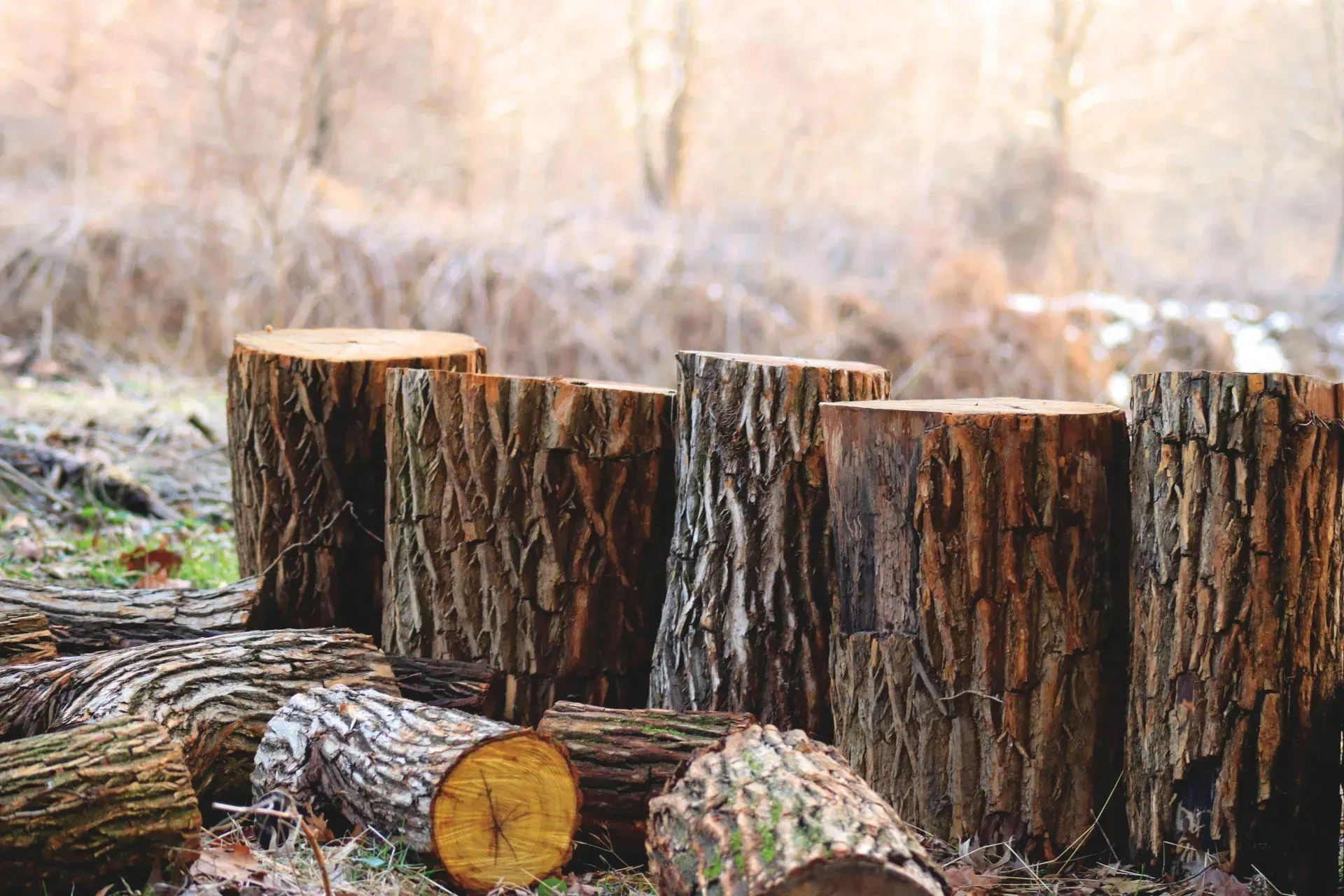
Some firewood delivery services offer sustainably sourced wood for eco-conscious customers. This means the wood comes from forests that are replanted and managed responsibly. You can enjoy your fire by choosing a sustainable option, knowing you're not harming the environment.
Sustainable Firewood Options
The best delivery services go beyond just dropping off wood. Some companies offer friendly and knowledgeable staff who can answer your questions about firewood types, burning techniques, or fireplace maintenance. This personalized touch can make a big difference in your firewood buying experience.
Delivery with a Personal Touch
Assess the Situation
Water scarcity is a constant concern in Southern California. Smart irrigation systems use a combination of sensors, weather data, and historical water usage patterns to create an irrigation plan that delivers the precise amount of water each plant needs. This not only conserves water but also prevents plants from suffering from water stress, which can weaken them and make them more susceptible to disease.
These advanced technologies are just the beginning of a revolution in
plant healthcare. As research and development continue, we can expect even more innovative solutions to emerge, such as gene editing for disease resistance and robots for targeted weed removal. By embracing these advancements, Southern California's farmers can ensure the health of their crops, optimize resource use, and contribute to a more sustainable agricultural future, feeding a growing population while protecting the environment for generations to come.
5. Biological Pest Control: A Sustainable Approach
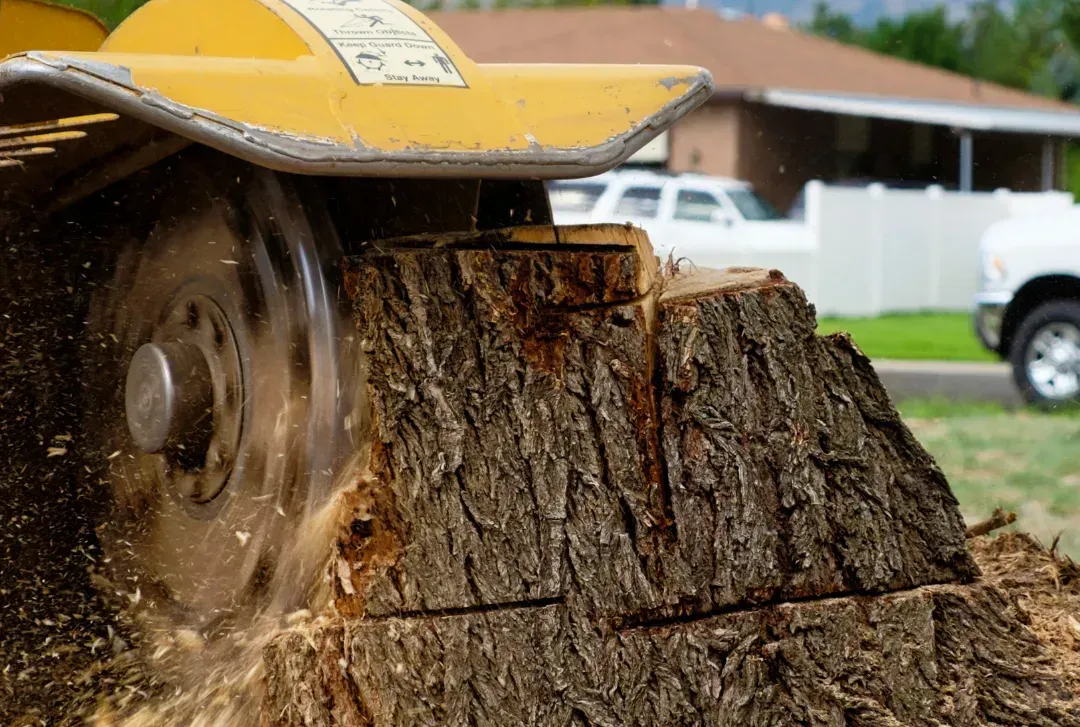
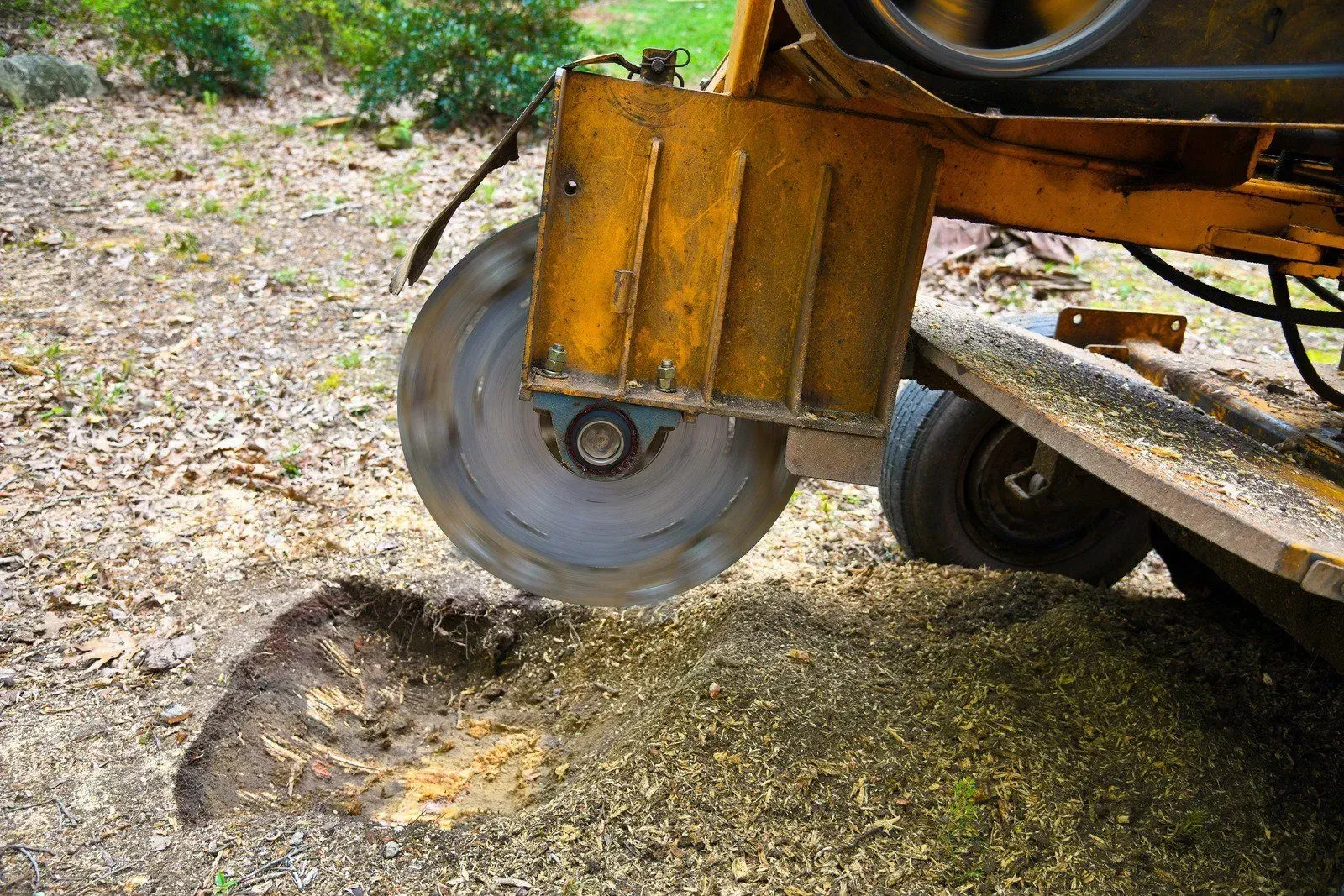
Comparison Between Stump Grinding And Stump Removal
Conclusion
Weak leaves, bugs, dry branches, or slow growth all point to trouble. Call a
plant health care
expert as soon as you notice a problem. Tree Pros Inc.
provides expert plant health care services across Los Angeles County, San Diego County, Orange County, San Bernardino County, and Riverside County, helping homeowners protect and restore plant vitality through early diagnosis and effective long-term care solutions.